01 / Groundwork
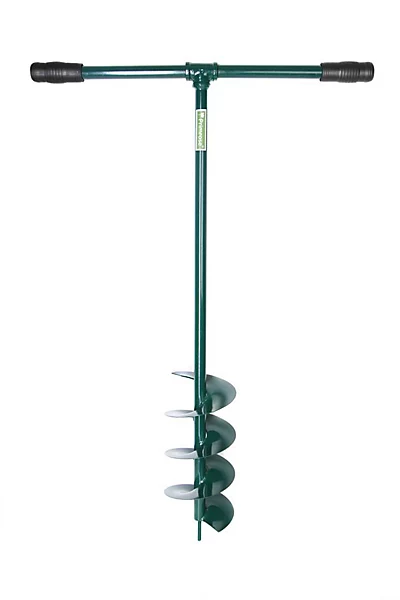
Auger
Useful for repeat post holes where access and ground make it sensible. Soil, roots, services and nearby structures are checked before choosing it.
Tools & access · Stoke-on-Trent
Some boundaries need hand tools. Others may need a cutting saw, cement mixer or small digger. We choose the kit around the ground, access, the fence system and the people living next door.
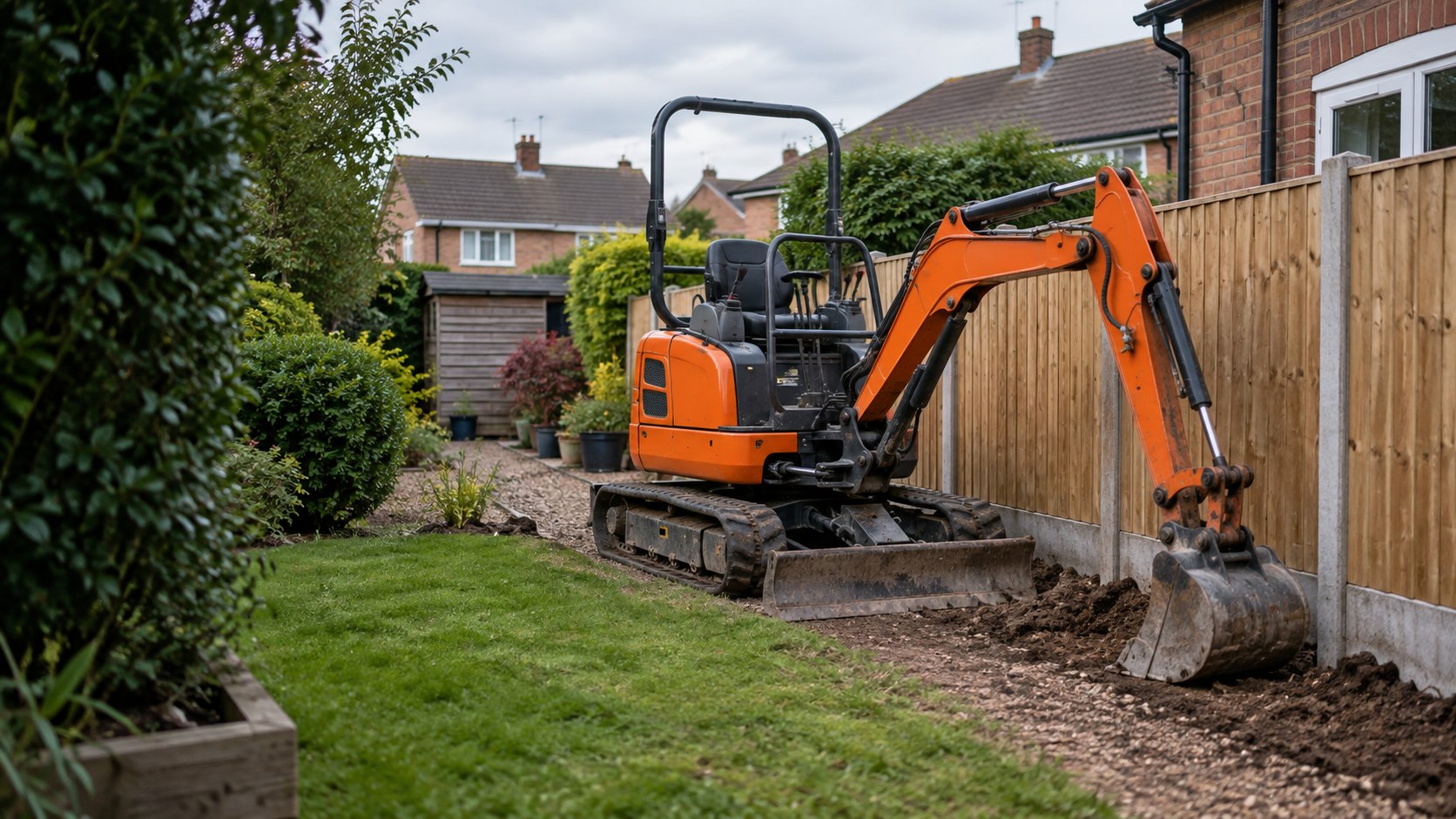
Considerate working for real homes
Digging, cutting, mixing and using machinery can be loud. Tell us if children, sleep, neighbours, pets or sensory or household needs should shape the day. We will discuss a practical noisy-work window where possible, keep you updated and protect the access route. It is considerate planning, not a promise of zero noise.
01 / The kit behind the finish
These are the tools you may see on a fencing, gate, hedge or groundworks project. The equipment is a means to a properly measured, safe and tidy result — never a badge of its own.
Useful for repeat post holes where access and ground make it sensible. Soil, roots, services and nearby structures are checked before choosing it.
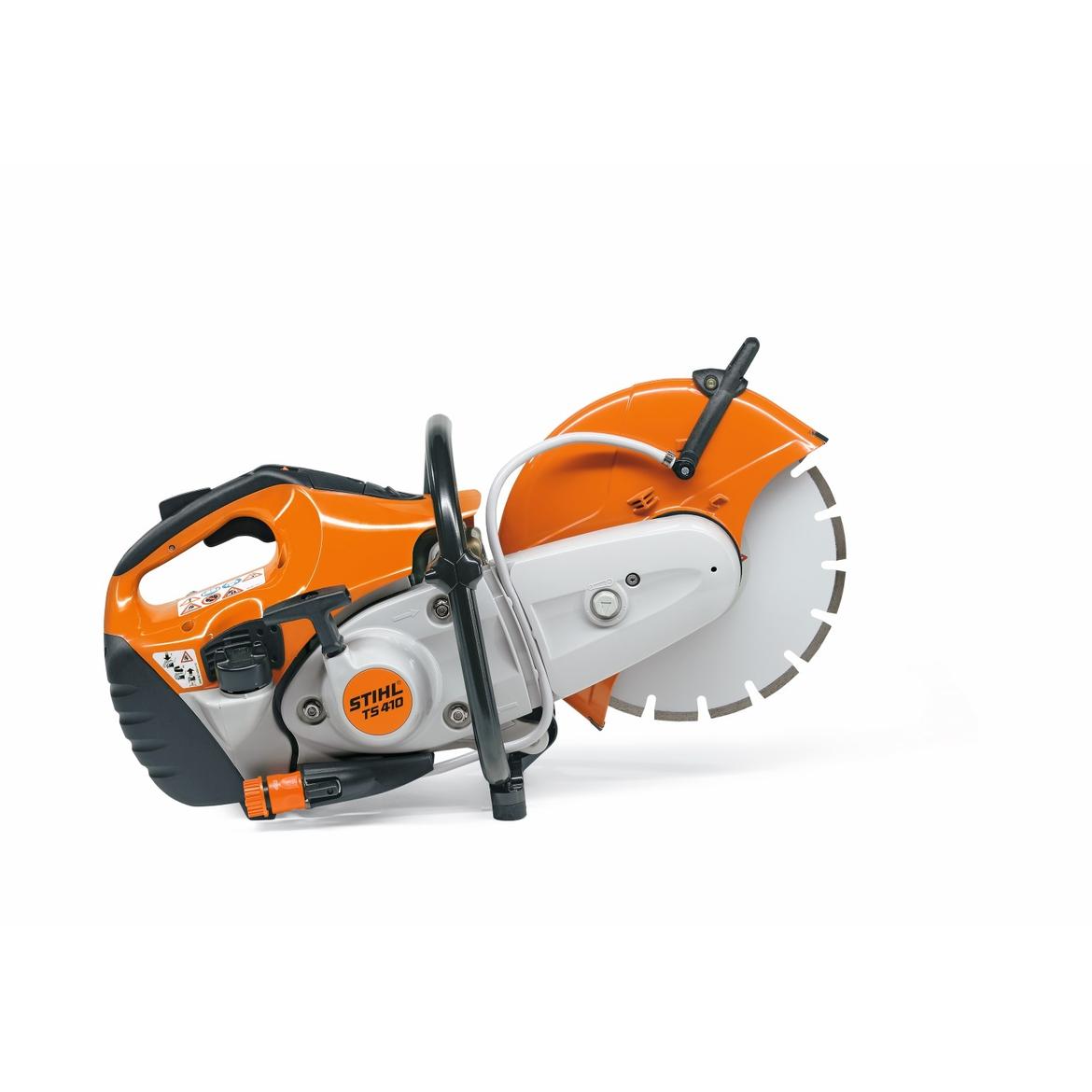
Used for controlled cuts to suitable masonry or concrete components when the system and method call for it. Eye, ear and dust protection are part of the setup.
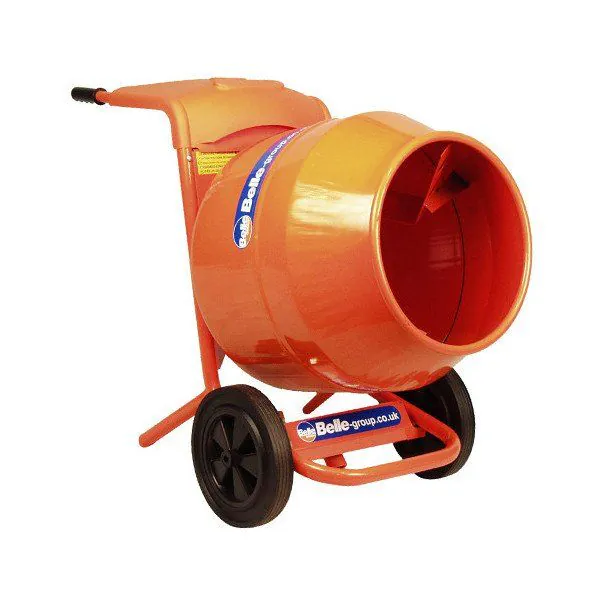
For consistent concrete mixing when a hand-mixed approach is not the sensible option. The mix, base and finish still depend on the actual ground.
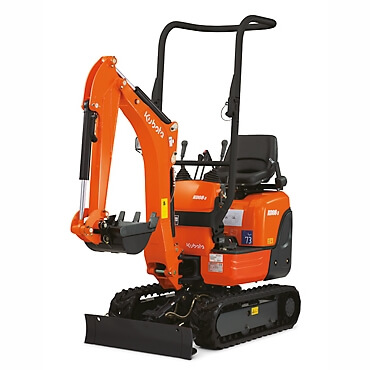
Considered for larger clearances, difficult ground or garden overhauls where access, underground services and protection of the property allow it.
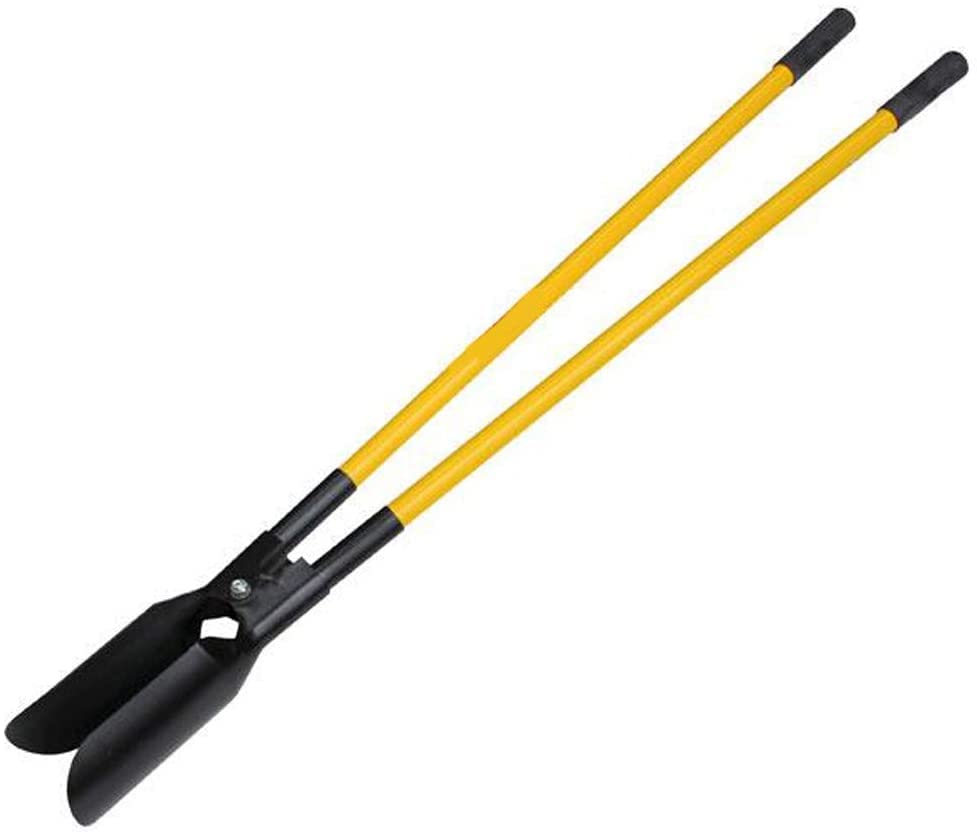
Simple tools still matter. Controlled lifting, positioning, levels and a clean line are what make the finished fence feel deliberate.
02 / Access changes the answer
A tool can be useful and still be wrong for a particular garden. We consider gate width, side passages, paving, slopes, neighbours, overhead limits, underground services and where soil and old materials can go.
Hand tools, post grips and a measured approach may be kinder to a narrow side passage or finished garden.
A powered post-hole drill may reduce effort, but the post system, depth and check for buried cables and pipes come first.
A small digger is only considered where it can reach the garden safely, protect the ground and leave no avoidable damage.
Tell us about children, SEN, sleep or neighbours. We can agree a practical work window where possible and keep the conversation open.
03 / What to tell us
Send the narrowest gate or passage width, steps, slopes, parking and where materials need to travel.
Tell us about children, pets, sleep, neighbours or sensory or household needs so noisy work can be discussed before booking.
Share the postcode, approximate length or sections, height, old fence, ground and a photo from both ends.
Before you send it
Equipment is chosen after we understand the ground and the space around it. A few practical photos can prevent the wrong assumption.
Start with the route
We will help work out which kit, access plan and working window make sense. Final equipment choice and price follow the real site and written quote.
Request a considered quote ↗